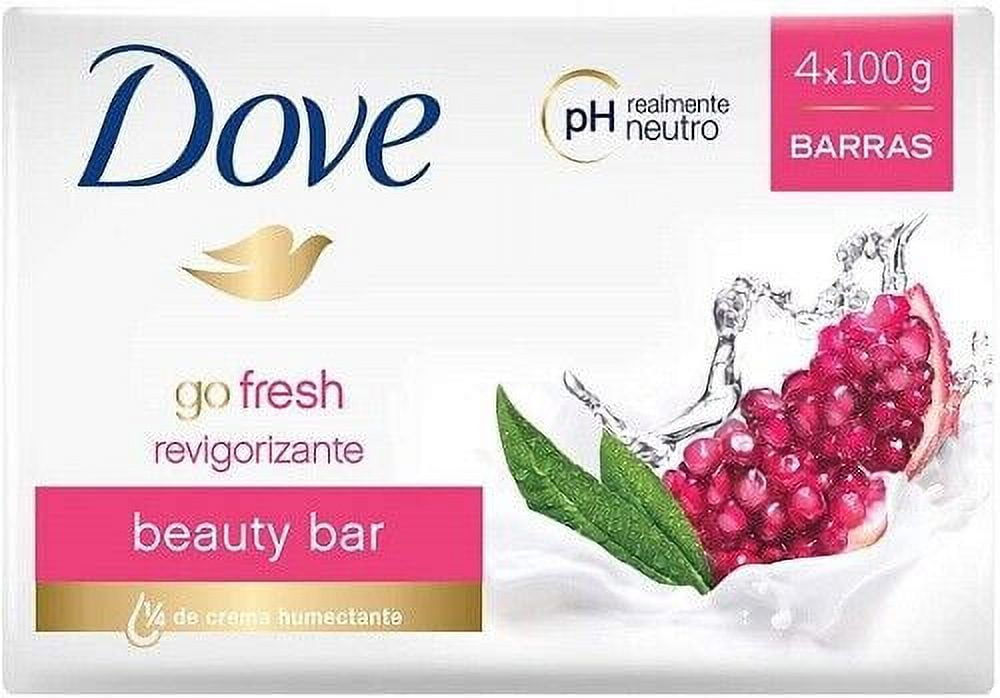
When Eliud Kipchoge crossed the finish line in Vienna in 2019, the world celebrated a barrier broken: the sub-two-hour marathon. But while eyes were on the clock, elite attention turned to what was on his feet—shoes so light they weighed less than a bar of soap. These weren’t just footwear. They were engineering marvels, redefining what's possible in endurance running.
The phrase "lighter than a bar of soap" isn’t poetic exaggeration. Standard bar soap weighs between 90–100 grams. The latest generation of racing super shoes—like the Nike ZoomX Vaporfly NEXT%—hover around 180 to 200 grams per pair. That means each individual shoe clocks in at under 100 grams. Yes, one shoe, one foot—lighter than a hotel-sized soap bar.
This isn’t just about weight, though. It’s about how minimal mass combines with maximal propulsion to create a performance multiplier. These shoes have become central to breaking marathon records, prompting debate, innovation, and a seismic shift in competitive running.
Let’s dissect what makes them revolutionary—and how they turned a simple phrase into a symbol of athletic evolution.
The Science of “Lighter Than a Bar of Soap”
Weight matters in running. Every extra gram increases energy cost over 26.2 miles. Studies show that reducing shoe weight by 100 grams can improve running economy by about 1%. That may sound minor, but in elite marathoning, where margins are measured in seconds, it's transformative.
The breakthrough came when manufacturers stopped optimizing shoes for cushioning or durability alone—and started treating them as performance exoskeletons.
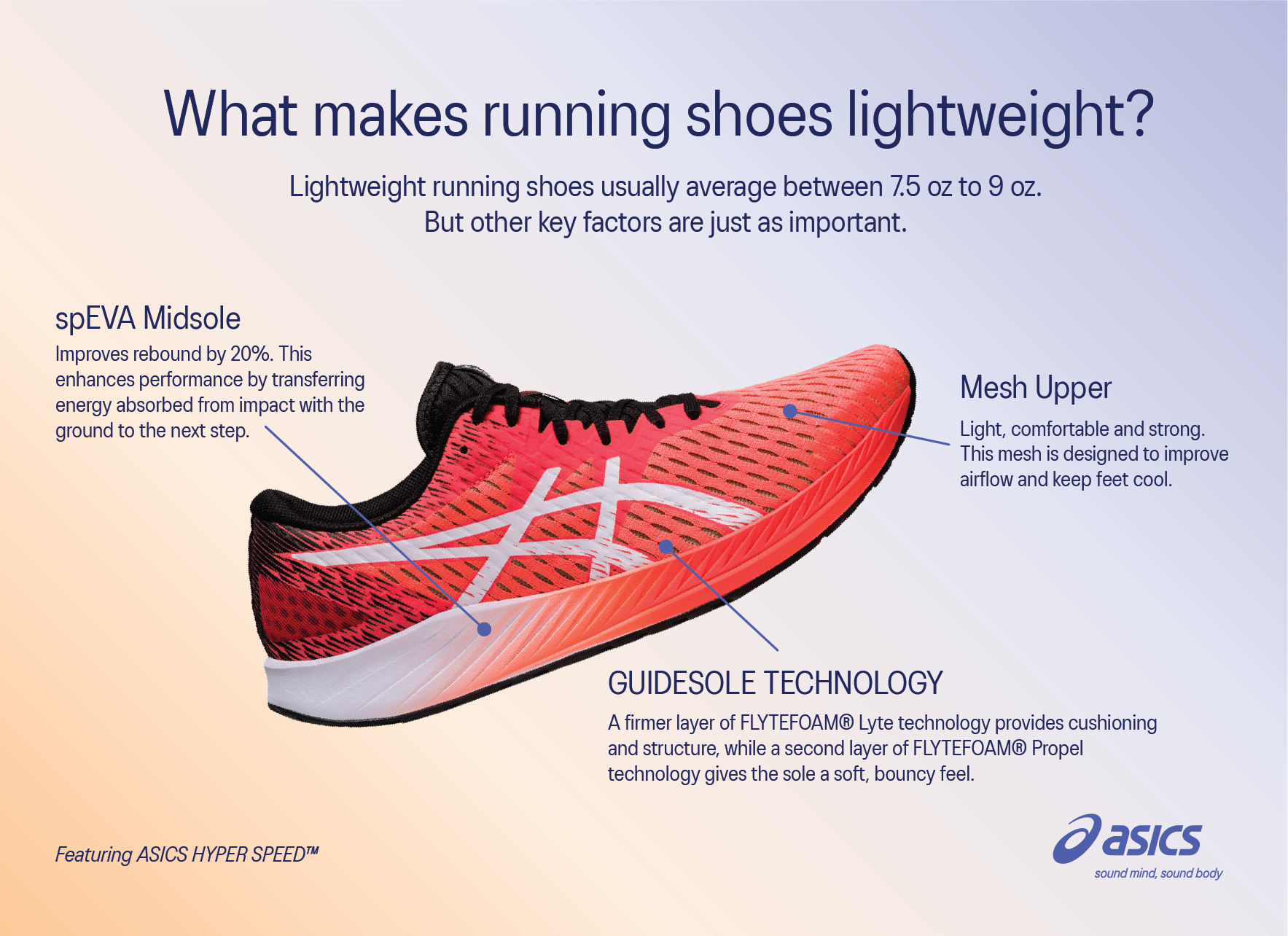
Key innovations include: - Ultra-light midsole foams (like Nike’s ZoomX) that offer high energy return with minimal weight - Carbon fiber plates that act like springs, storing and releasing energy with each stride - Strategic weight reduction in uppers using engineered mesh and laser-cut overlays
These elements converge to create a shoe that’s not just light—it’s efficient. Runners expend less energy to maintain pace, meaning they can sustain faster speeds longer.
Take the Adidas Adizero Adios Pro 3: - Weight: 198 grams (men’s size 9) - Midsole: Lightstrike Pro foam with 66% higher energy return than traditional EVA - Carbon-infused EnergyRods for propulsion
That’s a shoe engineered to deliver more than it weighs—literally and figuratively.
How These Shoes Shattered Marathon Records
The first major crack in the marathon ceiling came in 2018 when Eliud Kipchoge ran 2:01:39 in Berlin—wearing early prototypes of the Vaporfly. Then came the Sub2 attempt in Vienna, followed by Kelvin Kiptum’s 2:00:35 in Chicago (2023), the fastest legal marathon in history. All were run in super-light, plate-loaded shoes.
What changed?
1. Running Economy Boost Independent studies (including research published in Sports Medicine) found runners using carbon-plated, low-weight shoes improved running economy by 4% on average. That’s equivalent to making a 5:00/km pace feel like 5:07/km. Over a marathon, that’s nearly 5 minutes saved.
2. Delayed Fatigue The carbon plate reduces strain on calf muscles and Achilles tendons by encouraging a forefoot strike and reducing ankle joint work. This delays neuromuscular fatigue—critical in the final 10K, where races are won or lost.
3. Psychological Edge Elite runners report a “bouncy” or “spring-loaded” sensation. When your shoes feel like they’re helping you move forward, confidence builds—and pacing becomes more aggressive.
Case in point: When Brigid Kosgei broke the women’s marathon world record in 2019, she wore the Nike Alphafly—with double carbon plates and ZoomX foam. Her shoes weighed just over 190 grams per pair. Critics questioned if it was “technology doping.” But the result was undeniable: 2:14:04, slashing 81 seconds off the previous record.
Why “Lighter Than a Bar of Soap” Matters Beyond Elites
While world records grab headlines, the real impact of these ultralight shoes is democratizing performance.
Amateur runners are seeing personal bests drop by 3–7 minutes in marathons—thanks to the same tech filtering down to consumer models.
Consider: - A 3:30 marathoner switching from traditional trainers to a lightweight racer can gain 5–10 minutes purely from improved efficiency. - Recreational runners report less joint soreness after long runs due to reduced impact forces and better stride mechanics.
But there’s a catch. These shoes aren’t magic slippers. Misuse leads to injury.
Common Mistakes: - Overuse in training – Super shoes are built for speed, not high weekly mileage. Using them daily wears out the foam and increases injury risk. - Poor transition – Runners jumping straight from heavy trainers to carbon plates often strain calves or Achilles. A 4–6 week build-up is essential. - Ignoring foot strength – The stiff plate does work for you, but weak intrinsic foot muscles can’t stabilize properly. Off-foot strength training is non-negotiable.
- The ideal workflow?
- Use lightweight racers only for long runs, intervals, and race day.
- Pair with traditional trainers for base mileage.
- Strengthen feet and calves with toe curls, heel raises, and balance drills.
Leading Shoes Lighter Than a Bar of Soap
Below are the current front-runners in the ultralight, record-shattering category—each under 200 grams per pair and proven in elite competition.
| Shoe Model | Weight (Men’s Size 9) | Key Tech | Best For |
|---|---|---|---|
| Nike ZoomX Vaporfly NEXT% 3 | 188g | ZoomX foam, full-length carbon plate | Marathon racing, tempo runs |
| Nike Alphafly 3 | 195g | Dual carbon plates, ZoomX midsole, forefoot Zoom Air pods | World-record attempts, elite speed |
| Adidas Adizero Adios Pro 3 | 198g | Lightstrike Pro foam, EnergyRods, linen upper | High-mileage speed, back-to-back races |
| Saucony Endorphin Pro 3 | 215g | PWRRUN PB foam, nylon plate (lighter than carbon) | Injury-prone runners needing balance |
| New Balance FuelCell SC Elite v3 | 205g | FuelCell foam, carbon plate, Hypoknit upper | Warm-weather racing, narrow feet |
Note: Saucony and New Balance offer slightly higher weights but prioritize versatility. For pure “lighter than soap” status, Nike and Adidas lead.
Regulation, Ethics, and the Future of Shoe Tech
The meteoric rise of these shoes hasn’t been without controversy. In 2020, World Athletics introduced new rules: - Midsole thickness limited to 40mm (down from previous 50mm in prototypes) - Only one rigid embedded plate allowed - Shoes must be available to the general public for at least 4 months before elite use
Why? Because the playing field was tipping too far toward gear, not grit.
But innovation continues. Brands now experiment with: - Plant-based foams (e.g., Puma’s NitroElite) for sustainability without sacrificing performance - Adaptive cushioning using AI-designed lattice structures - 3D-printed midsoles tuned to individual runners’ biomechanics
The next frontier? Shoes that are not only lighter than soap—but smarter than coaches.
Real-World Impact: What These Shoes Can (and Can’t) Do
Let’s be clear: no shoe turns an untrained runner into Kipchoge. But the right shoe amplifies preparation.
Realistic use cases: - A 3:15 marathoner using Vaporflys during race day can realistically drop to 3:05–3:08 without changing training. - Masters runners (40+) report renewed confidence in racing due to reduced joint stress. - Ultramarathoners are adopting modified versions for 50K and 50-mile events where efficiency compounds over distance.
Limitations: - Durability: Most super shoes last 200–300 miles—far less than traditional trainers. - Cost: $250+ per pair makes them inaccessible for many. - Terrain: Built for roads and tracks; poor performance on trails or wet pavement.
They’re precision tools—not everyday footwear.
The Bottom Line: Performance Starts at the Ground
The phrase “lighter than a bar of soap” captures imagination because it contrasts the ordinary with the extraordinary. But the real story isn’t just about weight. It’s about intention: designing footwear not to protect the foot, but to propel the body.
These shoes didn’t just help shatter marathon records—they redefined the relationship between athlete and equipment. They’ve made us ask: How much of human potential has been limited by the tools we wear?
If you’re serious about running faster, train smart—but don’t overlook what’s beneath you. Invest in a pair of ultralight racers, use them wisely, and let them do what they were built to do: make every stride count.
Action Step: Upgrade your race-day footwear. Pick one model from the list above, transition into it over 3–4 weeks, and wear it on race day. Track your pace, effort, and recovery. The difference won’t just be in your time—it’ll be in how you feel.
FAQ Are shoes lighter than a bar of soap durable enough for a full marathon? Yes—when used correctly. These shoes are built for race conditions and can easily last 26.2 miles. However, they degrade faster in training.
Can carbon-plated shoes cause injuries? They can, if introduced too quickly. Sudden use increases calf and Achilles strain. Gradual adaptation is key.
Why are these shoes so expensive? Advanced materials (ZoomX foam, carbon fiber) and R&D costs drive prices. Limited production also contributes.
Do lightweight racing shoes help beginners? They can improve efficiency, but beginners should prioritize comfort and injury prevention over speed tech.
Will shoe technology keep evolving this fast? Yes—brands are investing heavily in materials science. Expect lighter, smarter, and more responsive shoes in the next 3–5 years.
Can I use these shoes for daily training? Not recommended. Use them for races, long runs, and speedwork. Save durable trainers for high-mileage days.
Are all “super shoes” lighter than a bar of soap? No. Only the lightest models (like Vaporfly, Alphafly, Adios Pro) hit that benchmark. Many carbon-plated shoes are heavier but still efficient.
FAQ
What should you look for in Lighter Than a Bar of Soap: The Shoes Behind Record-Shattering Marathons? Focus on relevance, practical value, and how well the solution matches real user intent.
Is Lighter Than a Bar of Soap: The Shoes Behind Record-Shattering Marathons suitable for beginners? That depends on the workflow, but a clear step-by-step approach usually makes it easier to start.
How do you compare options around Lighter Than a Bar of Soap: The Shoes Behind Record-Shattering Marathons? Compare features, trust signals, limitations, pricing, and ease of implementation.
What mistakes should you avoid? Avoid generic choices, weak validation, and decisions based only on marketing claims.
What is the next best step? Shortlist the most relevant options, validate them quickly, and refine from real-world results.