Modern space operations run on precision, timing, and an unbroken chain of logistics. When Russia launched a Progress MS cargo spacecraft carrying nearly 3 tons of supplies to the International Space Station (ISS), it wasn’t just another routine delivery—it was a test of endurance, diplomacy, and engineering resilience amid rising geopolitical tensions and technical complexities in low Earth orbit.
This mission, orchestrated by Roscosmos, underscores how fragile the life-support systems are for astronauts living 400 kilometers above Earth. A single delay or failure could jeopardize crew safety, scientific experiments, and the station’s operational continuity.
With food, fuel, oxygen, and hardware onboard, the stakes were high. But beyond the cargo manifest, this launch signals something deeper: Russia’s enduring capability—and responsibility—in keeping the ISS functioning.
The Progress MS Mission: More Than Just a Delivery Run
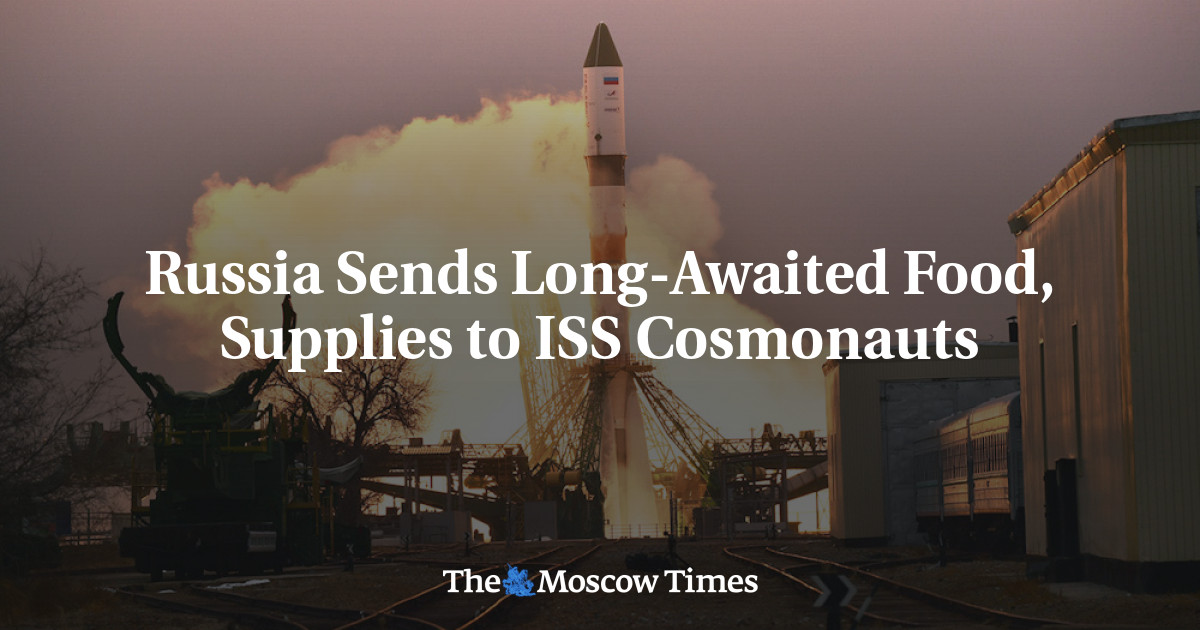
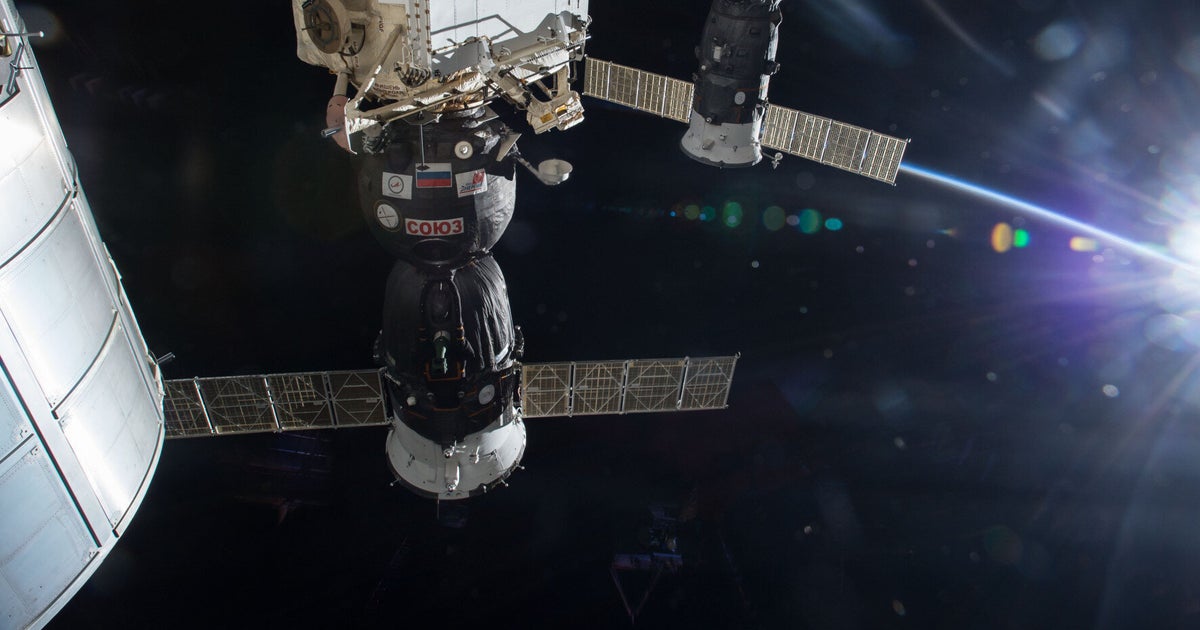
The Progress MS spacecraft, an uncrewed freighter derived from the Soviet-era Soyuz design, launched from the Baikonur Cosmodrome in Kazakhstan. Its payload? Exactly 2,658 kilograms of essential supplies, including:
- 670 kg of propellant – for station reboosts and attitude control
- 420 kg of water – vital for life support and hydration
- 60 kg of compressed air and oxygen – to replenish cabin atmosphere
- 1,580 kg of dry cargo – food rations, spare parts, medical kits, and scientific instruments
Unlike commercial resupply missions by SpaceX or Northrop Grumman, Progress flights maintain a unique profile: they dock autonomously to the Russian segment (primarily the Zvezda or Poisk modules), stay attached for months, and eventually dispose of waste before burning up on reentry.
This particular flight marked the 17th Progress mission to the ISS in the last five years—a consistent record that highlights Russia’s logistical backbone in space operations, even as political relations on Earth fray.
Why This Mission Was High-Stakes
Orbital resupply is never routine, especially in today’s climate. Three key factors elevated the risk profile of this launch:
1. Aging Infrastructure on the Russian Side The Russian Orbital Segment (ROS) has faced repeated technical glitches—from air leaks to computer resets. In 2022, the Nauka module’s thruster misfire nearly destabilized the entire station. A failed docking or propulsion issue during this resupply could have left the ROS without critical resources during a vulnerable maintenance window.
2. Geopolitical Isolation Affecting Technical Readiness Western sanctions have limited Russia’s access to advanced microelectronics and dual-use components. While Progress spacecraft rely on legacy systems designed before these restrictions, spare parts and ground testing capabilities have degraded. Each mission now carries added scrutiny—not just for technical success, but for signs of systemic decline.
3. Tight Orbital Scheduling The ISS operates on a packed manifest. With Crew Dragon, Cygnus, and other vehicles scheduled in the same window, trajectory conflicts and communication bandwidth limitations forced Roscosmos to execute a fast-rendezvous profile: docking within just four orbits (about six hours post-launch). Any deviation required immediate abort protocols.
How the Delivery Was Executed: Precision in Motion
Roscosmos used its proven two-day or fast-track docking protocol, opting for the latter to minimize orbital drift and crew standby time.
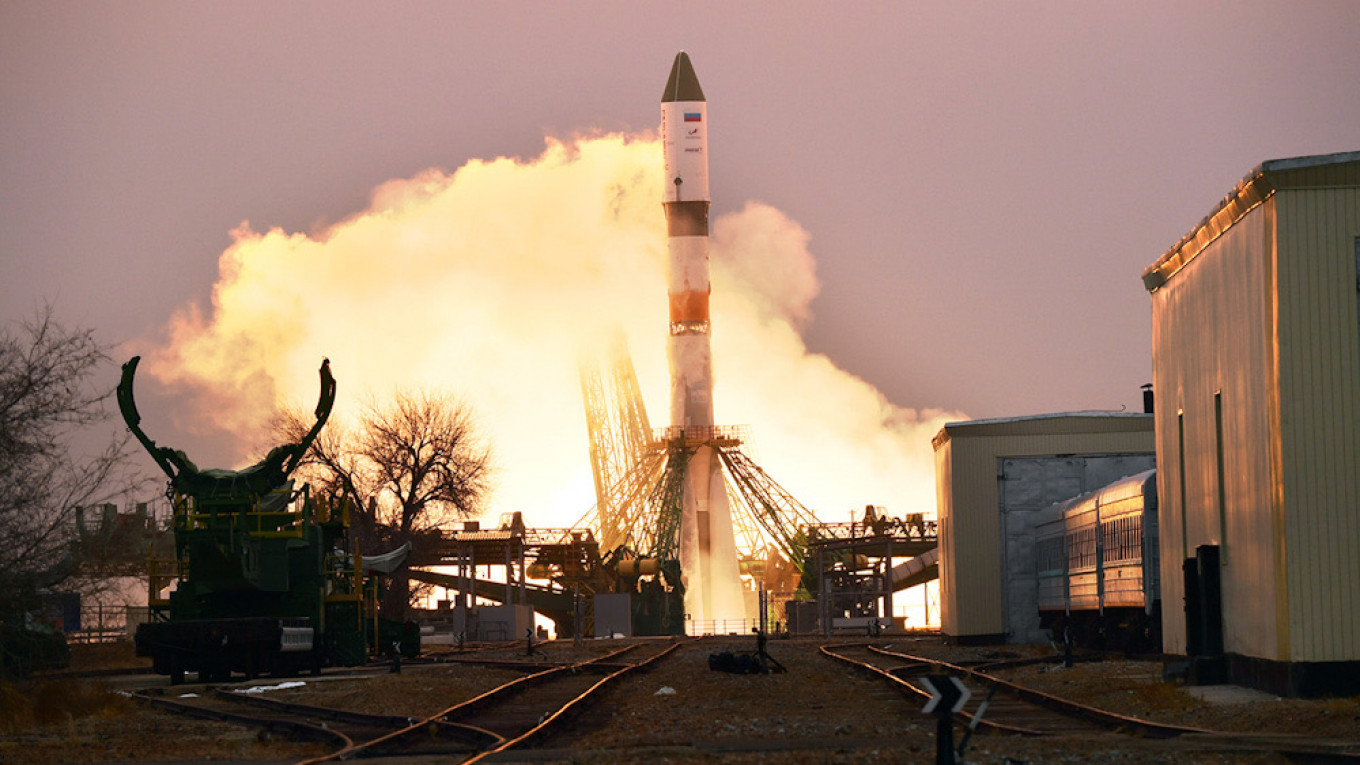
Launch Phase: A Soyuz-2.1a rocket lifted off from Baikonur at 15:26 UTC. The ascent phase proceeded without anomalies, with stage separations and payload fairing jettison occurring on schedule.
Orbital Insertion: Nine minutes after liftoff, the Progress MS spacecraft achieved low Earth orbit and deployed its solar arrays and Kurs docking antennas. Ground controllers in Korolyov (near Moscow) confirmed telemetry lock within minutes.
Rendezvous & Docking: Using the Kurs-NA automated docking system—Russia’s radar-based homing technology—the spacecraft closed in on the ISS over six hours. Final approach was monitored by both Russian flight controllers and ISS crew members, ready to intervene manually if needed.
At 21:15 UTC, Progress docked flawlessly to the aft port of the Zvezda service module. Hatch opening occurred five hours later after standard pressure and leak checks.
Inside the Cargo: What 3 Tons Actually Means
Three tons may sound excessive, but in space, every gram is strategic. Let’s break down how that mass supports life and work aboard the ISS:
| Category | Weight (kg) | Purpose |
|---|---|---|
| Propellant | 670 | Reboosts to counter atmospheric drag, maneuvers to avoid debris |
| Water | 420 | Drinking, hygiene, oxygen generation via electrolysis |
| Air & Oxygen | 60 | Atmosphere replenishment after leaks or crew activity |
| Dry Cargo | 1,580 | Food, clothing, tools, experiment hardware, personal items |
One striking example: the dry cargo included new lithium-ion batteries for the Russian segment’s power grid. These replace older nickel-cadmium units, improving energy efficiency during orbital night periods.
Also onboard: a new 3D printer for manufacturing plastic tools in microgravity, reducing dependency on Earth-based resupply for minor equipment needs. This experimental unit, developed by TsNIIMash, could foreshadow long-term self-sufficiency on future lunar or Martian outposts.
Russia’s Role in ISS Logistics: Still Indispensable
Despite NASA’s reliance on SpaceX’s Cargo Dragon for U.S. segment needs, Russia remains irreplaceable for three reasons:
1. Propulsion Control The Zvezda module—and now Progress tankers—provide the primary means of station reboost and debris-avoidance maneuvers. Without regular fuel deliveries, the ISS would slowly spiral into denser atmosphere, risking uncontrolled reentry.
2. Redundancy in Docking Systems The Russian segment offers multiple docking ports (Zvezda, Poisk, Rassvet, Prichal), enabling simultaneous arrivals of crew and cargo vehicles. This flexibility is crucial during crew rotations or emergency scenarios.
3. Life Support Backup Russia’s Elektron oxygen generators and Vozdukh CO₂ scrubbers provide critical redundancy to NASA’s Environmental Control and Life Support System (ECLSS). If one system fails, the other can compensate—provided supplies like catalysts and filters are replenished.
Even as NASA plans the transition to commercial space stations post-2030, Roscosmos remains a key partner in maintaining current operations.
Challenges Ahead: Can Russia Sustain the Pace?
While this mission succeeded, long-term concerns persist.
Supply Chain Strain Roscosmos has acknowledged delays in manufacturing due to import restrictions. A 2023 audit revealed that 30% of components for new Progress vehicles now come from “parallel import” channels—unofficial suppliers circumventing sanctions. This raises reliability questions.
Workforce and Expertise Drain Young engineers are leaving the sector for higher-paying tech jobs. The average age of a Roscosmos engineer is now over 52. Without knowledge transfer, future missions risk human error or innovation stagnation.
Budget Constraints Russia’s space budget has remained flat at around $4.6 billion annually—less than 10% of NASA’s funding. Priorities are shifting toward national security and lunar ambitions, potentially sidelining routine ISS support.
Still, for now, Progress flights remain on schedule. At least four resupply missions are planned through 2025.
The Human Factor: Life Aboard When Supplies Arrive When the hatch opened, the ISS crew didn’t just see crates—they saw morale. Astronauts and cosmonauts alike await resupply like sailors spotting land.
Fresh food is a luxury. This delivery included apples, oranges, chocolate, and traditional Russian dishes like borscht and pelmeni. Small comforts, but psychologically vital after months of freeze-dried meals.
Personal packages matter too. Letters from home, photos, even small gifts are tucked into cargo bags. One cosmonaut once received a hand-knitted sweater from his grandmother—packed in a science equipment container.
And then there’s the science: new experiments on protein crystallization in microgravity, aimed at improving drug development on Earth. Without this delivery, those studies would have stalled.
What This Means for the Future of Orbital Logistics
Russia’s successful delivery isn’t just a technical win—it’s a signal that international cooperation in space can endure even when Earthbound relations fracture.
But it also highlights a growing vulnerability: the ISS relies on multiple partners, each with their own political, economic, and technical risks. One failure could cascade.
The future lies in diversification. Private companies like SpaceX, Sierra Space, and Rocket Lab are developing next-gen cargo systems. NASA’s Commercial Resupply Services 2 (CRS-2) contracts already include three providers, reducing dependency on any single nation.
Still, until those systems mature, missions like this Progress flight will remain the thin line between continuity and crisis.
Final Thoughts: Delivering More Than Supplies
Russia sending 3 tons of supplies to the ISS was more than a logistical feat—it was a demonstration of resilience. In an era of uncertainty, the ability to launch, dock, and deliver remains a cornerstone of human presence in space.
For mission planners, the takeaway is clear: redundancy saves lives. For space enthusiasts, it’s a reminder that even the most “routine” launches carry immense weight.
As the ISS inches toward retirement and new stations rise, the lessons from this mission will endure—especially the idea that survival in orbit depends not on one nation, but on the collective will to keep the supply chain alive.
Stay informed, track launches, and recognize the quiet heroes—on the ground and in orbit—who ensure that no one floats alone.
Frequently Asked Questions
Why does the ISS need regular resupply missions? The ISS cannot produce food, water, or oxygen onboard in sufficient quantities. Resupply missions deliver consumables, spare parts, and scientific equipment essential for crew survival and operations.
How fast does the Progress spacecraft reach the ISS? Progress can dock within six hours using a fast-rendezvous profile (four orbits), or take up to two days with a standard approach, depending on orbital alignment.
What happens to the Progress spacecraft after docking? It remains attached for several months, used for storage and station reboosts. Before departure, it’s filled with waste and deliberately burned up during atmospheric reentry.
Can the ISS survive without Russian resupply? Not indefinitely. While NASA vehicles supply the U.S. segment, Russian vehicles provide critical propulsion and life support backup. Losing that capability would compromise station safety.
How much cargo can Progress carry compared to other vehicles? Progress carries up to 2.7 tons. For comparison, SpaceX’s Cargo Dragon carries about 6,000 kg, and Northrop Grumman’s Cygnus carries up to 3,750 kg.
Is the Progress spacecraft reusable? No. Unlike SpaceX’s Dragon, Progress is designed for one-way missions and is destroyed during reentry.
What would happen if a resupply mission failed? The ISS has several months of food and water in reserve. A single failure wouldn’t be catastrophic, but prolonged gaps could force crew reductions or mission suspensions.
FAQ
What should you look for in Russia Sends 3 Tons of Supplies to ISS in Orbital Lifeline? Focus on relevance, practical value, and how well the solution matches real user intent.
Is Russia Sends 3 Tons of Supplies to ISS in Orbital Lifeline suitable for beginners? That depends on the workflow, but a clear step-by-step approach usually makes it easier to start.
How do you compare options around Russia Sends 3 Tons of Supplies to ISS in Orbital Lifeline? Compare features, trust signals, limitations, pricing, and ease of implementation.
What mistakes should you avoid? Avoid generic choices, weak validation, and decisions based only on marketing claims.
What is the next best step? Shortlist the most relevant options, validate them quickly, and refine from real-world results.