Every construction pro knows the weight of a well-packed toolbox. It’s not just about carrying tools—it’s about carrying confidence. A disorganized, poorly maintained, or incomplete toolbox slows progress, risks safety, and undermines professionalism. The top toolbox topics for construction go far beyond hardware lists. They cover smart organization, maintenance routines, safety standards, and adapting to project-specific demands. Get these right, and you’re not just prepared—you’re ahead.
Why Toolbox Strategy Matters More Than Tool Count
Having 100 tools means nothing if you can’t find the right one in under 10 seconds. On a tight schedule, wasted time hunting for a socket wrench or charging a dead impact driver adds up. The real value isn’t in quantity—it’s in accessibility, reliability, and relevance.
Consider this: A finish carpenter showing up with a framing hammer and no trim bits will struggle. A plumber without a tubing cutter or pipe dope delays the entire crew. The right tools for the job are non-negotiable, but so is how you carry, store, and maintain them.
Common mistakes: - Overloading one box instead of using modular storage - Skipping tool inventory checks before job site arrival - Mixing electrical, plumbing, and framing tools without separation
Smart construction pros use a tiered system: one general jobsite box, plus role-specific pouches or roll bags. This reduces clutter and increases mobility.
Organizing Your Toolbox for Maximum Efficiency
Efficiency starts with layout. A clean, logical organization system saves time and reduces fatigue. Follow these principles:
Zone by function: Group tools by task—fastening, cutting, measuring, electrical. Use labeled dividers or color-coded foam inserts. Red foam for measuring tools, blue for fasteners, green for cutting—custom systems cut search time dramatically.
Prioritize by frequency: The tools you use most—tape measure, utility knife, level—should be top-access or on your belt. Rarely used specialty tools go in deep bins or secondary storage.
Use modular containers: Stackable bins with latches let you bring only what’s needed. A tile installer might carry only one module. A general contractor rotates several.
- Example: A lead electrician on a multi-family build uses three containers:
- High-voltage tools (multimeter, conduit bender)
- Low-voltage (low-voltage wire stripper, network tester)
- Consumables (wire nuts, labels, tape)
Each is color-coded and stored in a rolling cart. At shift change, the handoff is instant.
Top 5 Must-Have Toolboxes for Construction Pros
Not all toolboxes are built for harsh environments. These are proven performers in real-world construction:
| Model | Key Features | Best For |
|---|---|---|
| DeWalt DWMT81180 Heavy-Duty Rolling Cabinet | 24-drawer, 500-lb capacity, dual ball-bearing slides | General contractors, crews |
| Milwaukee 48-22-8256 Top Box | Locking, tool-loc foam, fits on Milwaukee carts | Electricians, HVAC techs |
| Stanley STST1-73400 FatMax | Lightweight, over-molded handles, weather-resistant | Solo tradespeople |
| Husky 26-Inch 3-Drawer | Budget-friendly, reinforced corners, smooth glide | DIYers, part-timers |
| Festool SYS 3 T-LOC | Modular, dustproof, integrates with Systainer ecosystem | Finish carpenters, cabinet makers |

Each serves a different need. Rolling cabinets suit stationary sites. Compact totes win on mobility. Choose based on job frequency, load, and transport method.
Critical Toolbox Maintenance Habits
A rusty drill bit or frayed cord is more than an annoyance—it’s a hazard. Maintenance isn’t optional. It’s a daily workflow.
Daily: - Wipe down metal tools after outdoor use - Check battery charge levels - Inspect cords and casings for damage
Weekly: - Clean and re-foam drawers - Sharpen blades and chisels - Lubricate moving parts (ratchets, pliers)
Monthly: - Audit inventory—replace missing or broken items - Test GFCI outlets on power tool chargers - Calibrate measuring tools (laser levels, tape measures)
One roofer we spoke with lost half a day because his nail gun jammed—traceable to unclean air hoses. Since then, he runs a 5-minute end-of-day cleanup: blow out debris, check O-rings, label issues on a small whiteboard inside the lid.
Pro tip: Use a small parts kit with screws, washers, and spare bits. Label it “Fix-It Pack.” It prevents trips back to the shop.
Safety Compliance and Your Toolbox
OSHA doesn’t inspect toolboxes—unless there’s an incident. Then every detail matters. A non-compliant tool can void liability coverage.
Key safety musts: - Double-insulated power tools only on live sites - GFCI protection for all 120V devices - No damaged cords or exposed wires - PPE stored visibly—gloves, goggles, ear protection
Also, segregate hazardous items. Flammable adhesives, solvents, or propane tanks should never be stored with tools in an enclosed box. Use vented, approved containers.
One drywall contractor was fined after an inspector found a can of flammable spray adhesive in his locked toolbox—next to a cordless angle grinder. Heat buildup could have triggered combustion. Now, he uses a separate plastic drum with a flame arrester lid.
Rule of thumb: If it can ignite, explode, or leak, it doesn’t belong in your main tool storage.
Power Tools vs. Hand Tools: What to Carry
The debate isn’t about superiority—it’s about context. Power tools speed work but need charging, maintenance, and safety controls. Hand tools are reliable, quiet, and fail-safe.
When to use power tools: - Framing - Demolition - Drilling multiple holes - Fastening long runs (nailers, drivers)
When hand tools win: - Tight spaces (attics, wall cavities) - Precision work (cabinetry, finish trim) - Quick fixes (a single screw, minor trim cut) - Sites without power
Smart pros carry a hybrid set. A finish carpenter might use a cordless trim nailer for baseboards but switch to a mallet and chisel for fitting joints.
Battery strategy: Always carry one fully charged spare. Label batteries with use date and cycle count. Avoid mixing old and new in dual-battery tools.
Project-Based Toolbox Adjustments
Your standard setup won’t work for every job. Adapt based on scope, environment, and team size.
Residential remodel: Focus on dust control, noise reduction, and space-saving. Carry a HEPA vacuum, quieter reciprocating saw, and collapsible step stool.

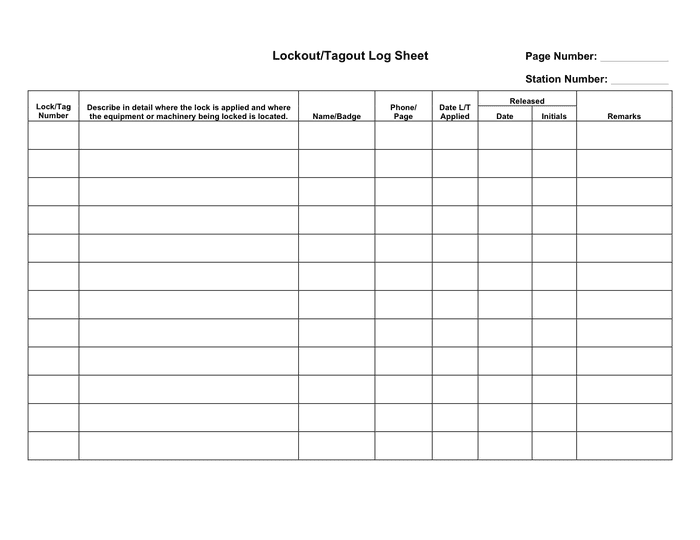
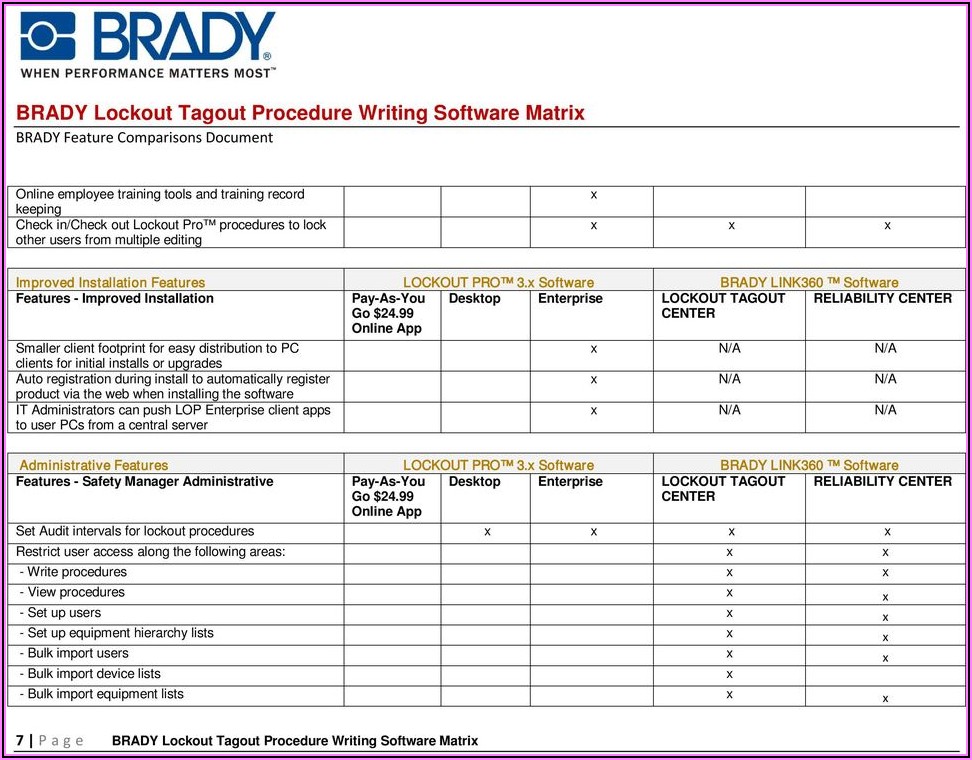
Commercial build-out: Prioritize durability and compliance. Add lockout/tagout kits, extra PPE, and site documentation tools (laser distance measurer, dry marker board).
Outdoor/concrete work: Water resistance is key. Use silicone-coated tools, sealed boxes, and non-slip gloves. Carry a moisture meter if working with wood near concrete.
Example: A plumbing team prepping for a basement bathroom install swapped out standard wrenches for compact offset versions. The tighter ceiling clearance made full-sized tools unusable. They also added a portable work light with magnetic base—critical in unfinished spaces.
Anticipate changes before arrival. Review blueprints. Talk to the foreman. Adjust your loadout 24 hours in advance.
The Role of Digital Tools in Modern Toolboxes
The modern toolbox isn’t just metal and plastic—it’s also digital. Apps and smart devices now integrate into daily workflows.
Worth adding: - Tool-tracking tags (like Husky or DeWalt Tool Connect): Locate missing gear instantly - QR-coded inventory sheets: Scan to log usage or report issues - Mobile voltage testers: Non-contact pens that sync with phone logs - Augmented reality measurers: Overlay dimensions via tablet
These reduce downtime and improve accountability. One electrical crew reduced tool loss by 70% after adopting Bluetooth trackers. They now start each shift with a digital roll call.
However, don’t over-digitalize. Batteries die. Apps crash. Always have analog backups—paper logs, physical labels, manual tools.
Closing: Build a Toolbox That Builds Trust
A professional toolbox reflects professionalism. It’s not about brand names or price tags. It’s about preparation, precision, and pride in craft. Whether you're a veteran foreman or a new apprentice, your toolbox should evolve with every project.
- Start today:
- Empty your box and audit every item.
- Group by task and frequency.
- Label, clean, and replace what’s damaged.
- Add safety items and maintenance supplies.
- Test the system on your next small job.
A great toolbox doesn’t just carry tools—it carries reputation.
Frequently Asked Questions
What are the most commonly misplaced tools on job sites? Tape measures, utility knives, drill bits, levels, and cordless drivers top the list. Use magnetic strips or tethered holsters to reduce loss.
How often should I replace tool batteries? Most lithium-ion batteries last 3–5 years with regular use. Replace if runtime drops below 50% of original or if they overheat during charging.
Is a rolling toolbox worth it for solo workers? Yes—if you work across large sites. For tight interiors or ladder-heavy jobs, a belt and shoulder bag may be more practical.
Should I carry spare fasteners in my toolbox? Yes. Store small containers of commonly used screws, nails, and anchors. Label them by size and application.
How do I prevent rust in humid climates? Use desiccant packs, silicone cloths, and wipe tools after use. Store in climate-controlled areas when possible.
Can I use household toolboxes for construction? Most aren’t durable enough. Construction-grade boxes have reinforced corners, better latches, and vibration resistance.
What’s the best way to transport a full toolbox safely? Secure it in a vehicle with non-slip mats. For rolling cabinets, lock drawers and tilt carefully. Never carry overloaded boxes by hand—use dollies.
FAQ
What should you look for in Essential Toolbox Topics for Construction Pros? Focus on relevance, practical value, and how well the solution matches real user intent.
Is Essential Toolbox Topics for Construction Pros suitable for beginners? That depends on the workflow, but a clear step-by-step approach usually makes it easier to start.
How do you compare options around Essential Toolbox Topics for Construction Pros? Compare features, trust signals, limitations, pricing, and ease of implementation.
What mistakes should you avoid? Avoid generic choices, weak validation, and decisions based only on marketing claims.
What is the next best step? Shortlist the most relevant options, validate them quickly, and refine from real-world results.