Workers get hurt during equipment servicing not because they’re careless—but because procedures feel abstract until something goes wrong. Lockout tagout (LOTO) safety meetings bridge that gap. Done right, they turn policy into practice. Done poorly, they’re checkbox rituals that breed complacency. The difference lies in the topics you choose. Here are proven, high-impact lockout tagout safety meeting topics that drive awareness, participation, and real behavior change.
Why Most LOTO Meetings Fail—and How to Fix Them
Too many safety meetings recycle the same slides: “Here’s the lock, here’s the tag, here’s the procedure.” That might satisfy compliance, but it doesn’t stop accidents. The real danger zones? Human factors—rushed timelines, unclear roles, assumptions about isolation, and lack of verification.
A successful LOTO meeting doesn’t just review steps. It exposes hidden risks. For example, a maintenance tech in a Midwest plastics plant bypassed lockout because “the machine never powers back on automatically.” It did—after a recent PLC update no one communicated. Result: a crushed hand.
Meetings must spotlight these realities. Focus on context, not just compliance. Use near-misses, maintenance logs, and frontline feedback to shape your agenda. When workers see their world in the discussion, they engage.
1. Revisiting Energy Sources: Beyond Electrical
Most teams default to “electrical = danger.” But LOTO covers all hazardous energy: pneumatic, hydraulic, thermal, chemical, and gravitational. A forgotten spring under tension or a pressurized line can kill just as fast as live voltage.
Meeting focus: Walk through a common machine and map all energy types.
- Hydraulic presses store energy in fluid lines—must be bled.
- Conveyor belts under tension release stored mechanical energy.
- Steam valves retain thermal energy long after shutdown.
- Elevated platforms rely on gravity—securing them isn’t optional.
Use case: In a food processing facility, a worker opened a mixing vessel assuming a valve closure was enough. Residual pressure blew the lid open, spraying scalding liquid. The fix? Expand lockout procedures to include pressure bleed-off verification and double-isolation valves.
Action tip: Assign small groups to audit one machine and list every potential energy source. Compare findings. Refine procedures together.
2. The Myth of “Quick Fixes” and Shortcut Culture
“Just five seconds—no need to lock out.” That mindset causes 60% of LOTO-related injuries, according to OSHA. Workers bypass procedures for clearing jams, adjusting sensors, or retrieving dropped tools.
Meeting focus: Dissect why shortcuts happen—and how to stop them.
Common justifications: - “I’ve done it a hundred times.” - “Production is behind schedule.” - “The supervisor said it’s fine.”
None are valid. But dismissing them doesn’t change behavior. Instead, explore root causes: - Are isolation points poorly located? - Are tools or guards designed badly? - Is there pressure to meet unrealistic targets?
Real-world example: A printing plant had recurring jams on a folder machine. Workers routinely reached in without lockout. Instead of reprimanding, engineers redesigned the access panel with interlocks and added remote clearing tools. Result? Zero incidents in 14 months.
Discussion prompt: “When have you seen (or done) a ‘quick task’ without lockout? What made it seem acceptable?”
3. Roles and Responsibilities: Who Does What?
Confusion over roles leads to gaps. Is the authorized employee the only one who can lock out? Can a supervisor verify isolation? What about contractors?

OSHA defines: - Authorized Employee: Trained to implement LOTO, isolate energy. - Affected Employee: Operates or uses equipment but doesn’t perform servicing.
But gray areas remain.
Meeting focus: Clarify real-world responsibilities.
Scenario drill: A technician locks out a conveyor. A supervisor starts it remotely, assuming servicing is done. Why did this fail?
Break down the chain: - Was communication clear? - Were multiple locks used? - Was tagout information specific (“Repairing drive motor—do not operate”)?
Best practice: Use group lockout boards or lockboxes when multiple workers are involved. Each applies their lock; no one removes the last lock until all work is complete.
4. Lock and Tag Best Practices: What Works, What Doesn’t
Not all locks and tags are equal. A flimsy hasp or handwritten tag gets ignored. A robust system reinforces discipline.
Meeting focus: Audit your current hardware.
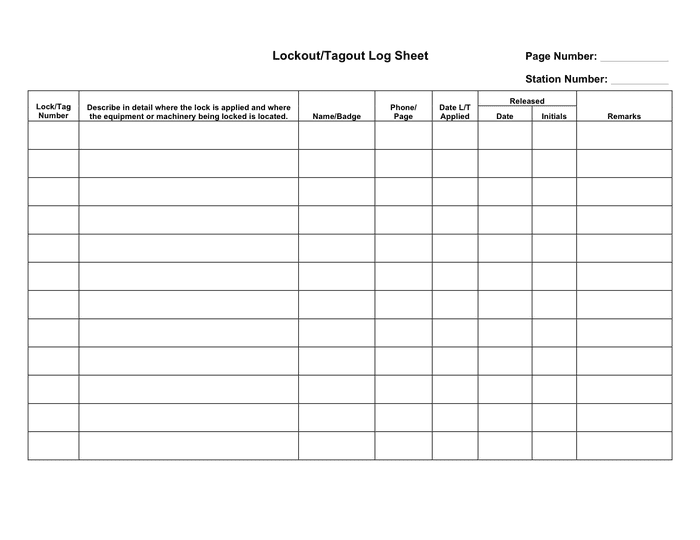
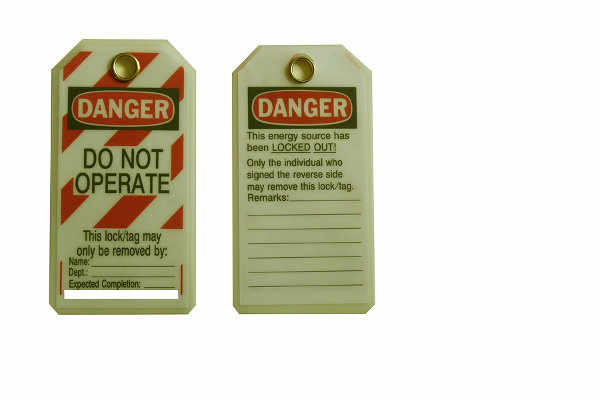
Effective tags include: - Name of authorized employee - Date and time applied - Reason for lockout - Contact information
Common failures: - Reusing tags - Using personal locks not standardized to the site - Tags without clear language (“Do not start” vs. “Motor repair in progress—contact Sam Rivera”)
Pro tip: Conduct a “tag walk.” Tour the floor and inspect active lockout devices. Are they clear? Durable? Properly placed? Use photos (blurred if needed) to spark discussion.
5. Verification: The Step Everyone Skips
Locking out isn’t enough. You must verify zero energy state.
Meeting focus: Teach and test verification steps.
- The OSHA-mandated sequence:
- Shut down equipment using normal controls.
- Isolate energy sources (valves, breakers).
- Apply lockout/tagout devices.
- Release or dissipate stored energy.
- Verify isolation—attempt to start the machine (using normal controls only), then return to “off.”
Critical point: Verification must be done by the authorized employee. Supervisors or coworkers shouldn’t assume it’s safe.
Simulation exercise: In a controlled setting, have workers go through a mock lockout on a non-energized machine. Include deliberate mistakes—e.g., forget to bleed a line—and ask the team to catch them.
6. Contractor LOTO Coordination: Shared Risk, Shared Rules
Outside technicians don’t always follow your procedures. But your site is still liable.
Meeting focus: Establish contractor integration.
Best practices: - Pre-job safety meetings covering site-specific LOTO policies - Mandatory use of your lockout devices (no exceptions) - Joint inspections before re-energizing
Real case: A refinery fined $127,000 after a contractor re-energized equipment during maintenance. The contractor used their own tag, which wasn’t recognized by in-house staff. Fix: Implement a universal lockout protocol for all personnel, regardless of employer.
Action item: Create a LOTO checklist for contractor onboarding. Include training verification, lock inventory, and communication protocols.
7. Common LOTO Violations and How to Prevent Them
Inspections reveal recurring issues. Use them as teaching moments.
- Top 5 OSHA-cited LOTO violations:
- Incomplete or missing written procedures
- Failure to use lockout devices during servicing
- Lack of periodic inspections (annual audits)
- Inadequate employee training
- Poor tag information
Meeting focus: Turn violations into prevention plans.
For each, ask: - Could this happen here? - What would it take to catch it before an incident? - How can we make compliance easier?
Example: If written procedures are outdated, assign teams to update one per month. Reward accuracy and clarity.
8. Realistic LOTO Drills: Beyond the Checklist
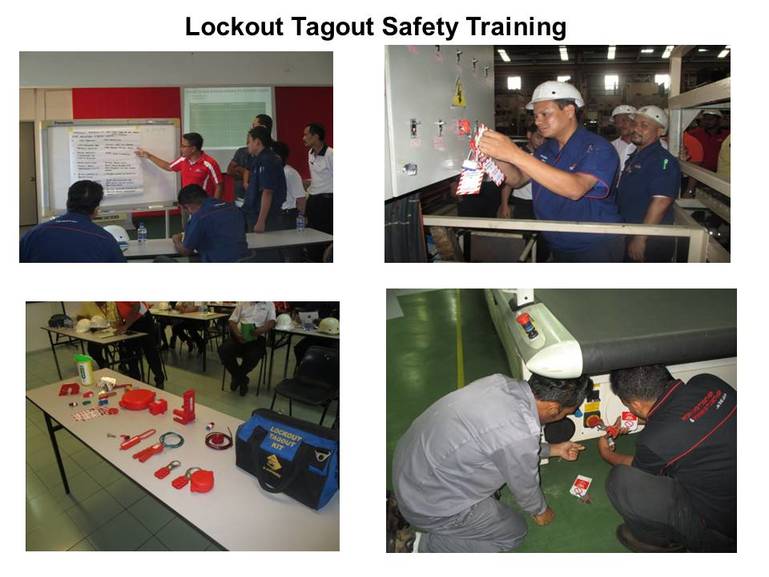
Drills should mimic real conditions—noise, time pressure, poor lighting. A clean classroom demo won’t prepare someone for a midnight breakdown.
Meeting focus: Run scenario-based drills.
Sample drills: - Clearing a jam in a packaging line with multiple energy sources - Emergency stop during robotic cell maintenance - Shift handover with active lockouts
After each, debrief: - What went well? - Where was confusion? - Did everyone understand the status?
Pro insight: Include “surprise” elements—e.g., a second worker arriving late and trying to start the machine. Test communication under stress.
9. When Machines Change: Updating LOTO Procedures
New equipment, retrofits, or process changes make old procedures obsolete. Yet many sites never update lockout steps.
Meeting focus: Link LOTO updates to change management.
Any modification should trigger a LOTO review: - New control system? Reassess isolation points. - Added automation? Identify new energy sources. - Relocated shutoff? Update documentation and training.
Case example: A facility added remote monitoring to a boiler system. Workers assumed the control room could isolate it. It couldn’t. A technician burned himself during inspection. Post-incident, they revised procedures and added lockout points near the boiler.
Workflow tip: Build LOTO review into your change approval process. No exceptions.
10. Building a LOTO Safety Culture: It’s Not Just a Procedure
Compliance is the floor, not the ceiling. A strong LOTO culture means workers speak up, double-check, and stop work when something feels off.
Meeting focus: Normalize intervention.
Encourage phrases like: - “Can I see your lockout verification?” - “Is all stored energy released?” - “Do we both agree it’s safe to re-energize?”
Reward near-miss reporting. Share stories without blame. Highlight workers who caught errors.
One plant reduced LOTO incidents by 80% in two years—not by new rules, but by monthly safety huddles where workers led discussions on real scenarios.
Lockout tagout safety meetings shouldn’t be routine. They should be relevant, challenging, and rooted in the realities of your floor. Pick topics that expose gaps, invite dialogue, and connect procedures to people. When your team doesn’t just know the rules—but believes in them—that’s when safety becomes second nature.
Start next week’s meeting with a recent near-miss. Ask, “What would we do differently?” Then act on the answers.
FAQ
What are common topics for lockout tagout safety meetings? Energy source identification, verification steps, role clarity, contractor coordination, and shortcut risks are high-impact topics that drive engagement and reduce incidents.
How often should LOTO safety meetings be held? Monthly or quarterly, depending on risk level. High-hazard environments benefit from monthly discussions, especially after incidents or equipment changes.
Who should lead a LOTO safety meeting? Authorized employees, safety officers, or supervisors—with input from affected workers to ensure relevance and buy-in.
Can a LOTO meeting be too technical? Yes. Focus on practical application, not jargon. Use real machines, scenarios, and team input to keep it actionable.
Should drills be part of LOTO meetings? Absolutely. Hands-on drills—especially under simulated stress—improve retention and reveal procedural gaps.
What’s the biggest mistake in LOTO training? Treating it as a one-time event. LOTO skills degrade. Regular meetings, refreshers, and audits are essential.
How do you make LOTO meetings engaging? Use real incidents, involve workers in leading discussions, conduct floor walks, and tie topics to daily tasks.
FAQ
What should you look for in Lockout Tagout Safety Meeting Topics That Actually Work? Focus on relevance, practical value, and how well the solution matches real user intent.
Is Lockout Tagout Safety Meeting Topics That Actually Work suitable for beginners? That depends on the workflow, but a clear step-by-step approach usually makes it easier to start.
How do you compare options around Lockout Tagout Safety Meeting Topics That Actually Work? Compare features, trust signals, limitations, pricing, and ease of implementation.
What mistakes should you avoid? Avoid generic choices, weak validation, and decisions based only on marketing claims.
What is the next best step? Shortlist the most relevant options, validate them quickly, and refine from real-world results.