Safety doesn’t happen by accident. Neither do injuries. Behind every preventable incident on a job site, factory floor, or service route, there’s often a missed conversation—a warning not shared, a risk not clarified. That’s where toolbox talks for safety come in. They’re brief, focused discussions designed to spotlight hazards, reinforce safe behaviors, and keep safety top of mind. When done right, they’re not just compliance checkboxes—they’re cultural cornerstones.
Yet too many organizations run toolbox talks on autopilot: recycled topics, disengaged teams, and no follow-up. The result? Employees tune out, risks go unaddressed, and near-misses pile up. The difference between a forgettable meeting and a life-saving intervention lies in strategy, relevance, and delivery.
Let’s break down how to make toolbox talks work—consistently and effectively.
What Are Toolbox Talks and Why They Matter
Toolbox talks—also called tailgate meetings or safety huddles—are short safety discussions, typically 5 to 15 minutes long, held at the start of a shift or before a high-risk task. They’re designed to be timely, specific, and actionable.
Unlike formal safety training, which may happen quarterly or annually, toolbox talks are frequent and situational. They address immediate concerns: changing weather, new equipment, or recent incidents. Their strength lies in their immediacy and relevance.
For example, a roofing crew preparing to work on a steep slope might have a 10-minute talk on fall protection—reviewing harness checks, anchor points, and rescue procedures. That same crew, on a clear day installing insulation, might discuss respirator use and silica exposure.
These micro-conversations create a culture where safety isn’t outsourced to a safety officer but owned by every team member.
Core Elements of an Effective Toolbox Talk
Not all toolbox talks are created equal. The ones that drive change share several key traits:
- Relevance: Tied to current work, environment, or risks.
- Engagement: Employees are encouraged to speak, ask questions, and share experiences.
- Clarity: Uses plain language, not jargon or vague warnings.
- Actionability: Ends with clear takeaways—what to do, what to watch for.
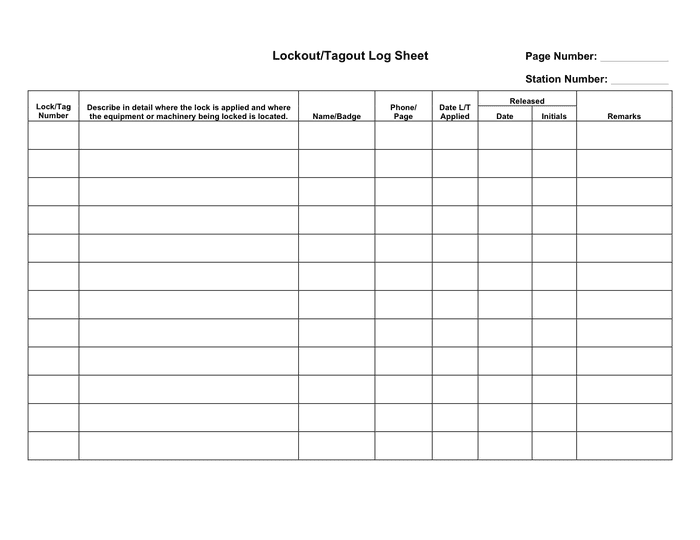
- Documentation: Logged for accountability and trend analysis.
A common mistake is turning a toolbox talk into a monologue. The best sessions are dialogues. A foreman might start by asking, “What’s the biggest risk we face today?” Instead of reciting a script, the team identifies hazards together—wet surfaces, overhead power lines, pinch points on machinery—and collectively agrees on controls.
This collaborative approach increases buy-in and surfaces blind spots a supervisor might miss.
When and How Often to Conduct Safety Toolbox Talks
Frequency matters. Weekly talks are standard, but high-risk environments may require daily huddles. The ideal timing is just before work begins—when attention is fresh and the context is immediate.
Critical triggers for an impromptu toolbox talk include:
- Introduction of new equipment or procedures
- Changes in weather or site conditions
- Near-miss incidents
- Start of a new project phase
- Return from an injury or incident investigation
For instance, after a worker slips on a wet floor in a manufacturing plant, a same-day talk on housekeeping and slip-resistant footwear reinforces urgency and shows employees that leadership responds to real events.
Avoid scheduling talks at the end of shifts when fatigue sets in. Morning or pre-task timing ensures better focus and retention.
Common Topics for High-Impact Toolbox Talks
The best topics are those tied directly to current operations. Here are high-impact areas to cover regularly:
- Fall Protection: Harness inspections, guardrail use, ladder safety
- Electrical Safety: Lockout/tagout, working near live circuits
- Hazard Communication: Reading SDS sheets, labeling, PPE for chemicals
- PPE Use: Correct selection, fit, and maintenance of gear
- Machine Guarding: Never bypassing interlocks or removing covers
- Heat Stress: Hydration, rest breaks, recognizing symptoms
- Manual Handling: Proper lifting techniques, team lifts
- Emergency Response: Evacuation routes, first aid locations, reporting procedures
Rotate topics systematically, but stay flexible. If a crane operation is scheduled, prioritize rigging safety—even if it’s not on the “official” calendar.
Use real incidents as springboards. After a close call with a forklift, conduct a talk on pedestrian visibility, blind spots, and signaling. Real stories make abstract risks tangible.
How to Structure a Toolbox Talk That Sticks
A strong format keeps things focused and productive. Try this four-part framework:
- Introduce the Topic (1–2 min)
- “Today we’re talking about trench safety. We start digging the new sewer line tomorrow.”
- Discuss the Hazard (3–4 min)
- Explain the risks: cave-ins, buried utilities, atmospheric hazards. Use visuals if possible—photos or diagrams.
- Engage the Team (4–6 min)
- Ask: “What have you seen go wrong in trenches?” or “What would you do if the soil starts cracking?” Encourage stories and questions.
- Review Controls and Commit (2–3 min)
- Confirm: “We’ll slope the walls, use a trench box, and check for gas. Who’s doing the daily inspection?” Assign actions.
End with a clear takeaway: “If the trench doesn’t have protection, stop work and call me.”
This structure keeps talks concise but thorough, and ensures every participant walks away with something to act on.
Pitfalls to Avoid in Safety Toolbox Talks
Even well-intentioned talks fail when they fall into these traps:
- Repetition without variation: Rehashing the same fall protection talk every quarter with no updates breeds apathy.
- Lack of follow-through: Talking about PPE but not enforcing it undermines credibility.
- Top-down delivery: A supervisor reading from a script kills engagement.
- Ignoring site-specific risks: Using generic materials that don’t match actual job conditions.
- No documentation: Failing to log talks makes it impossible to track participation or audit trends.
One telling sign of a failing program: employees can recite the safety topic of the week but can’t recall a single thing discussed.
Fix this by rotating facilitators, using real job-site photos, and linking talks to observed behaviors. If a team consistently skips eye protection, make that the next talk—and follow up with spot checks.
Integrating Toolbox Talks into Your Safety Culture
Toolbox talks shouldn’t exist in isolation. They’re most effective when embedded in a broader safety system.
Link them to:
- Near-miss reporting: Use reports as talk topics.
- Job hazard analyses (JHAs): Reference JHA findings in discussions.
- Safety audits: Share audit results and action plans.
- Performance feedback: Recognize teams that follow through on talk commitments.

For example, a construction crew that completes a talk on confined space entry should then verify their rescue equipment is on-site and functional. That follow-up closes the loop between talk and action.
Leadership involvement is critical. When managers attend, participate, and act on input, it signals that safety is a priority—not just paperwork.
Real-World Example: A Talk That Prevented an Incident
A utility crew was preparing to repair a transformer. The morning toolbox talk focused on arc flash risks. The crew reviewed PPE requirements, approach boundaries, and lockout steps.
During the discussion, a junior technician mentioned that the last time they worked on this unit, the disconnect switch felt loose. The lead electrician paused, verified the concern, and called for an engineering review. Turns out, the switch mechanism was degraded—posing a serious arc flash hazard during disconnection.
Because of the talk, the issue was caught before work began. The repair was delayed, the switch repaired, and a potential catastrophe avoided.
This wasn’t luck. It was the result of a culture where brief, focused safety conversations create space for vigilance—and speaking up.
Tools and Resources to Support Effective Toolbox Talks
While a clipboard and checklist can work, digital tools can streamline delivery, tracking, and analysis. Consider these options:
- SafetyCulture (iAuditor)
- - Pros: Customizable templates, photo documentation, real-time reporting
- - Best for: Teams needing audit-style tracking and mobile access
- Procore (Safety Module)
- - Pros: Integrates with project management, supports compliance logs
- - Best for: Construction firms already using Procore
- SiteDocs
- - Pros: Offline access, automated reminders, signature capture
- - Best for: Remote or low-connectivity job sites
- FL0 (formerly Safesite)
- - Pros: Simple interface, quick form creation, analytics dashboard
- - Best for: Fast deployment and minimal training
- COR360
- - Pros: Strong compliance focus, OSHA-aligned content library
- - Best for: Regulated industries needing audit trails
These platforms help standardize content, ensure attendance tracking, and identify recurring issues—turning qualitative talks into quantifiable safety intelligence.
Closing: Make Every Toolbox Talk Count
Toolbox talks aren’t about ticking boxes. They’re about creating moments where awareness sharpens, habits adjust, and lives are protected. The most effective ones are timely, participatory, and tied to real work.
Stop treating them as routine. Start treating them as interventions.
Pick one upcoming shift. Choose a real hazard. Gather your team. Ask questions. Listen more than you talk. And follow up.
That’s how safety changes—one conversation at a time.
FAQ
What is the ideal length for a toolbox talk? Aim for 5 to 15 minutes. Long enough to cover key points, short enough to maintain focus.
Who should lead a toolbox talk? Supervisors typically lead, but rotating team members as facilitators boosts engagement and ownership.
Do toolbox talks need to be documented? Yes. Record the date, topic, attendees, and key points. Documentation supports compliance and trend analysis.
Can toolbox talks reduce workplace incidents? Yes. Regular, relevant talks improve hazard awareness and safe behavior, directly reducing incident rates.
How often should toolbox talks be held? At minimum, weekly. High-risk environments may require daily talks, especially before critical tasks.
Should toolbox talks be the same for every crew? No. Customize content to the crew’s specific work, risks, and recent experiences.
Can toolbox talks replace formal safety training? No. They complement formal training by reinforcing concepts and addressing immediate hazards.
FAQ
What should you look for in Toolbox Talks for Safety: Practical Guides That Save Lives? Focus on relevance, practical value, and how well the solution matches real user intent.
Is Toolbox Talks for Safety: Practical Guides That Save Lives suitable for beginners? That depends on the workflow, but a clear step-by-step approach usually makes it easier to start.
How do you compare options around Toolbox Talks for Safety: Practical Guides That Save Lives? Compare features, trust signals, limitations, pricing, and ease of implementation.
What mistakes should you avoid? Avoid generic choices, weak validation, and decisions based only on marketing claims.
What is the next best step? Shortlist the most relevant options, validate them quickly, and refine from real-world results.